Navigating Access on Public Land: Steps Before You Hunt
When planning a hunting trip on land one of the most important yet often ignored parts is knowing where the property boundaries are. Problems like lines on a map changes in gate status or unexpected private land rights can stop your plans and affect your connection with landowners. By taking the time to check access before you go you not protect your hunt but also the interests of those who take care of the land and the animals you are trying to hunt.
Understanding Property Boundaries: A Hard Task
A line on your screen might show things: a property boundary, a seasonal closure or an easement but this does not mean it is a legal way to go. These rules can. Change depending on the group in charge.
To handle this begin by finding the area or piece of land you want to hunt. Plan the changes whether they are from public to private land or different management areas. Make sure you know each part of your planned route-if there is any doubt about where you can go it is usually better to take another way. Remember, it is better to walk a little more than to risk going into an area that's in question when it is dark.
Use Official Sources for Up-to-Date Info
Use the recent maps, access notices or land-use rules from the right people. While map apps can help with directions they can't replace the rules about access rights hunting laws or what vehicles are allowed.
Be careful about changes before your trip-events like fires, storms or building work can change where you can go. It is important to check the details on maps; for example a road might be shown for help. There could be rules about what vehicles can use it.
Always. Write down the date of the information you are using. If anything seems unclear call the group before your trip and keep a record of what they say.
Get Ready for No-Cell-Service Navigation
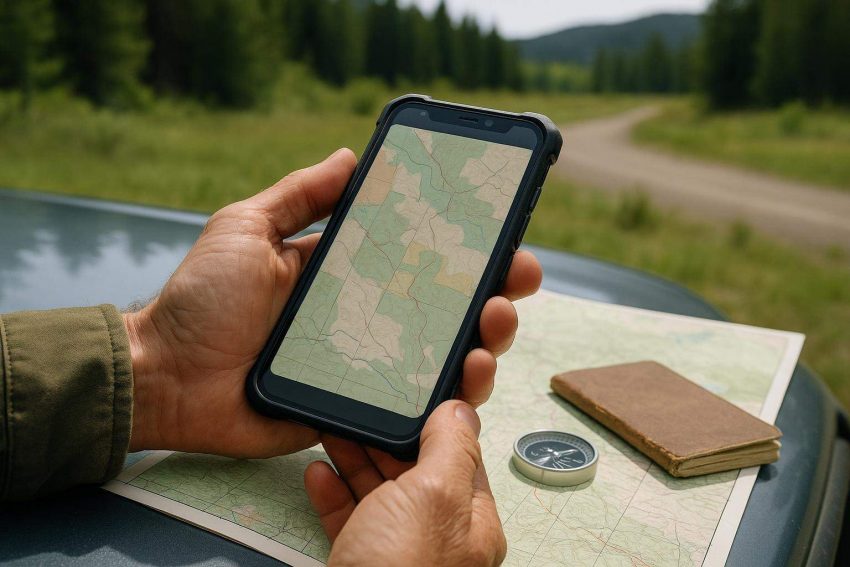
An access plan that depends on phone service is not good. Before you go get maps for use and make sure they work without a signal. Mark your parking spot, the place you think you will go and important boundary points on these maps. Also have a printed map in case technology fails.
Don't trust GPS completely; check your location with things around you and the land. Keep in mind that cold weather can use up battery quickly. A power bank helps,. It won't fix problems like wrong maps on your phone.
Plan for times when the map shows little public areas. Find places where you can turn back to avoid going on private land.
Signs in the Field: Clues, Not Proof
When you get to your place look at the gates, signs and markers. Compare them with the papers you have. Remember, taking photos is okay for your records but don't change or take away any signs.
Things on the ground can show access problems. Don't mean you are allowed in. A covered sign might mean an old rule and a path that is worn down might not be allowed. Think of every sign as a signal to check access not as approval.
If you are not sure where the line is, stop before going. Write down where you are check the map and see how the land matches the area. If you are still not sure go back to the place where you know you are allowed-respecting the landowner rules is important for good hunting.
Choosing the Right Way: When to Go Back
Sometimes the best way to hunt is to realize when to not go to a place. A path that needs you to go through lines or closed gates is not worth the chance. Also any plans that depend on checking the condition of roads or trails may waste your time.
Set your rules: never go through without being sure don't park where you are not allowed and don't take shortcuts that could lead you to private land. Local rules might be stricter than you think so its important to follow them.
Picking an area with legal access even if it is not the best often helps you focus on things like wind direction, the land and making a good shot-instead of dealing with access problems.
Your Boundary-Day Checklist
As you get ready for your hunt make a list to check:
– Check the current hunting season access notices and any closures through the right ways.
– Find public parking areas, places where you can enter legally possible boundary crossings and other ways out.
– Get maps for use and carry a printed copy as a backup.
– Write down the contact for the group or landowner for your path.
– Take pictures of any signs without changing them.
– If you can't check the boundaries at any time be ready to turn back.
After your trip write down any changes you saw-like a road, new signs or locked gates. It is helpful to tell the people about any big changes helping to keep the info accurate for others. Good preparation means knowing about access rules being up to date, with the laws and having the strength to go back when needed. This way shows you care about the land and the rules.